
Why Advertising Should Fit the Bigger Picture
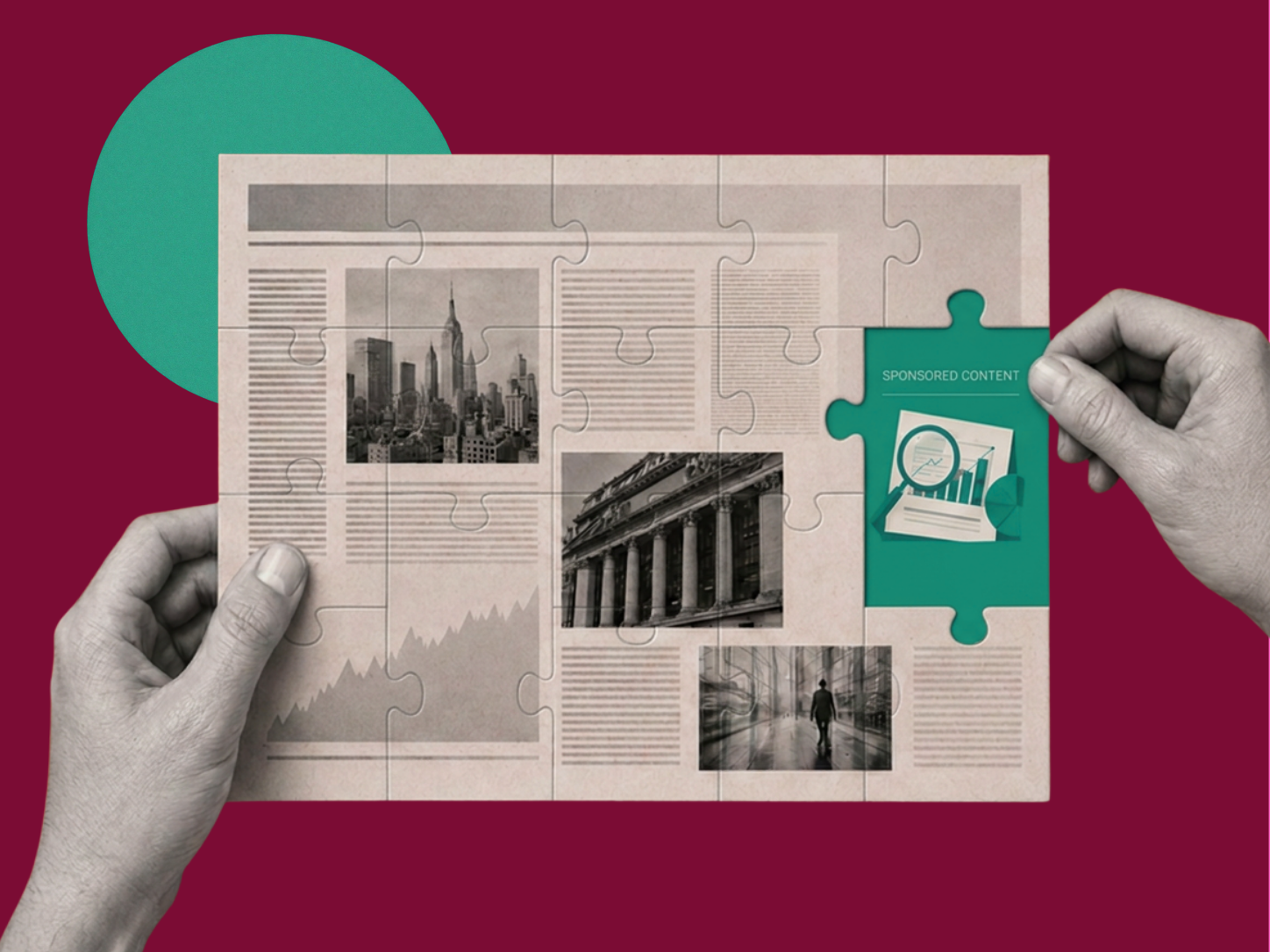
For years, publishers have invested heavily in building something that’s difficult to earn and easy to lose: audience trust.
That trust has always mattered, but today it has become one of a publisher’s most valuable commercial assets.
As AI-powered search engines increasingly deliver answers directly without sending users to the original source, publishers are seeing referral traffic come under pressure. Fewer visitors mean every audience interaction carries more value than it once did, increasing the pressure to maximize revenue from each session.
It’s an understandable response. If traffic is harder to acquire, every impression needs to work harder.
But that’s also where publishers face a critical decision.
One path prioritizes immediate returns through intrusive formats, sensational creative, and advertisers chosen for their ability to generate clicks regardless of whether they complement the publication. Those tactics may improve short-term revenue, but they risk changing how readers perceive the brand itself.
The other path recognizes that advertising isn’t separate from the editorial experience, it’s part of it.
Readers don’t distinguish between the newsroom, the CMS, the ad server, or the monetization partner. They simply experience the page as a whole. Every headline, image, recommendation, and sponsored placement contributes to their overall impression of the publication.
That’s particularly true for premium business, financial, and technology publishers. Their audiences expect a thoughtful, professional environment where every element, from the journalism to the advertising, meets the same standard of quality.
When advertising feels out of place, it doesn’t just interrupt the reading experience. It weakens the environment that publishers have spent years creating.
That becomes especially risky at a time when audience loyalty is becoming increasingly valuable.
If readers encounter misleading headlines, irrelevant recommendations, or low-quality creative, they’re less likely to engage deeply or return regularly. This can create a difficult cycle: weaker experiences reduce engagement, increasing the pressure to prioritize short-term revenue. As AI reduces the number of users reaching publisher sites directly, the experience of those who do arrive matters more than ever.
This is why advertiser quality deserves as much attention as advertiser quantity.
The most effective advertising doesn’t compete with editorial content, it complements it.
Someone reading about investment markets may value insights from an asset manager. A business leader researching enterprise software may appreciate learning about solutions relevant to the challenges they’re already exploring. Context can make advertising feel useful rather than disruptive.
Native advertising is particularly well suited to this approach because it’s designed to fit naturally within the editorial experience. When advertisers are carefully curated and campaigns are contextually aligned, advertising becomes another relevant piece of content instead of an interruption.
For publishers, this creates a better balance between revenue and reader experience. For advertisers, it supports more meaningful engagement. And for audiences, it preserves the quality of the environment they chose to visit.
As AI continues to reshape digital publishing, trust is becoming an even greater competitive advantage.
Publishers that prioritize extracting the maximum value from each visit may see short-term gains, but those that protect the quality of their audience experience will be better positioned to build sustainable businesses over time.
At Dianomi, we believe premium publishers deserve premium advertising.
That’s why we help publishers monetize their audiences through carefully curated campaigns from leading brands across financial services, business, technology, and luxury sectors. By combining native formats with contextual relevance, we help publishers generate revenue while preserving the trusted environments their audiences value.
In an industry where every visitor counts more than ever, protecting trust isn’t simply an editorial principle. It’s a commercial strategy.